GOLD
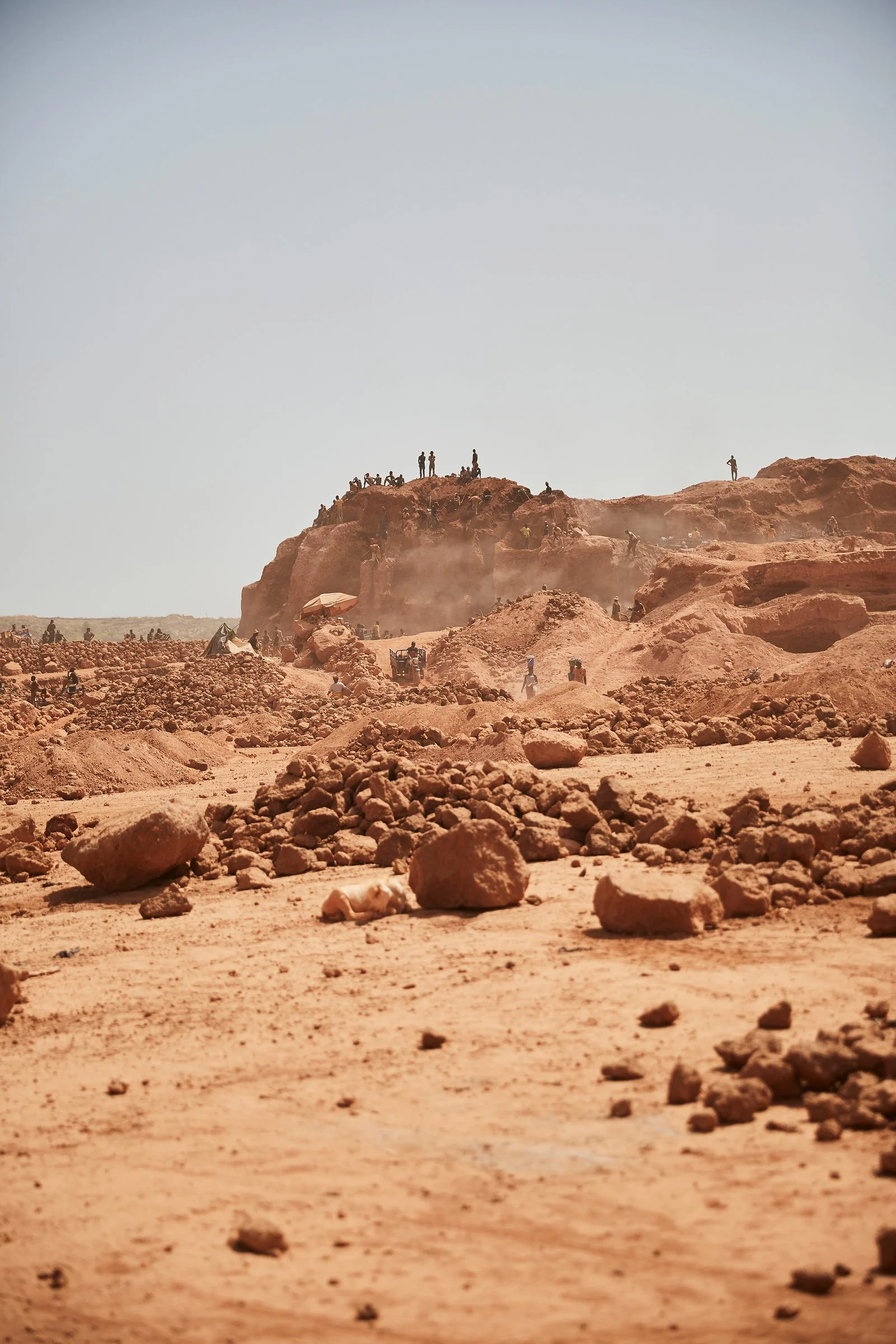
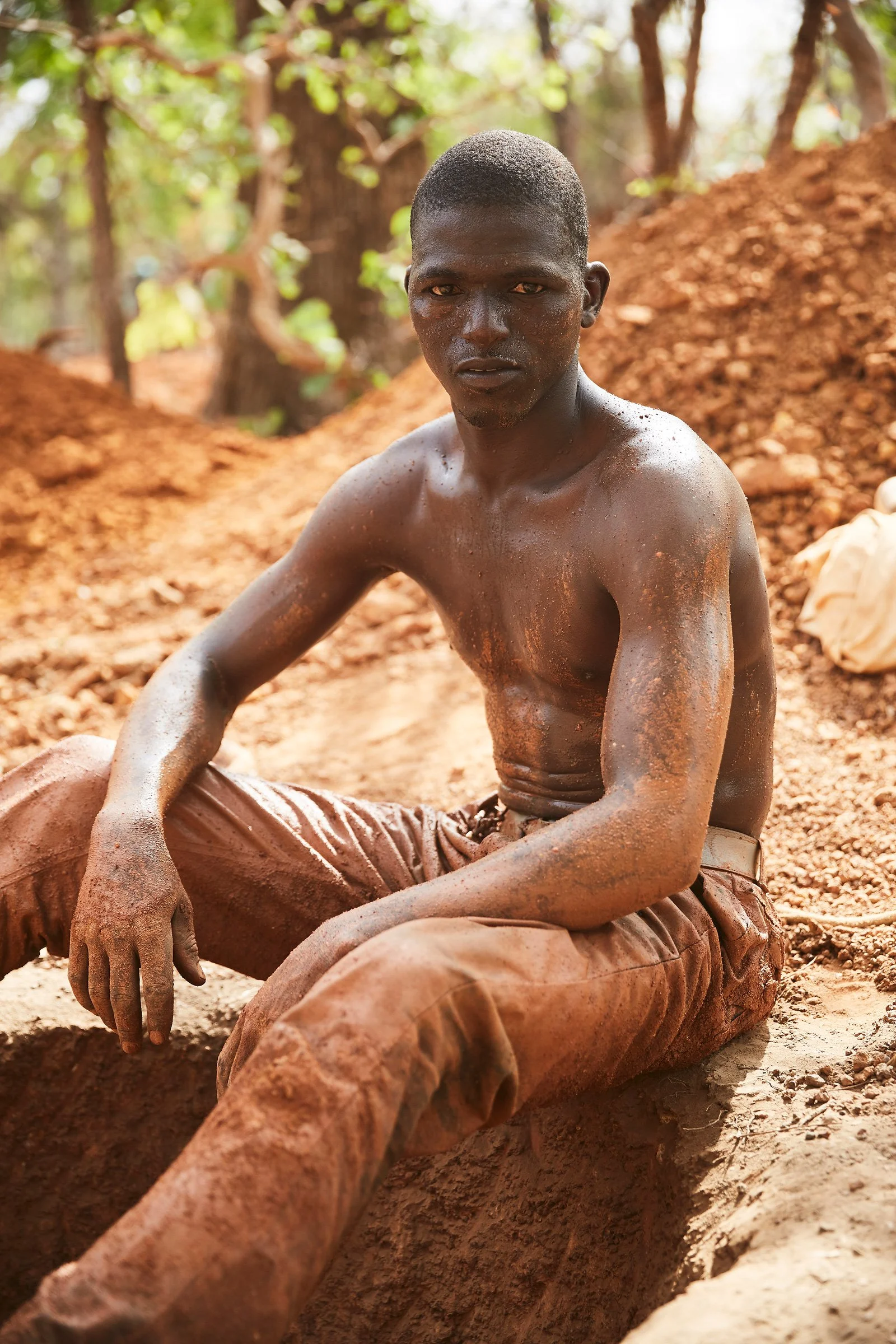
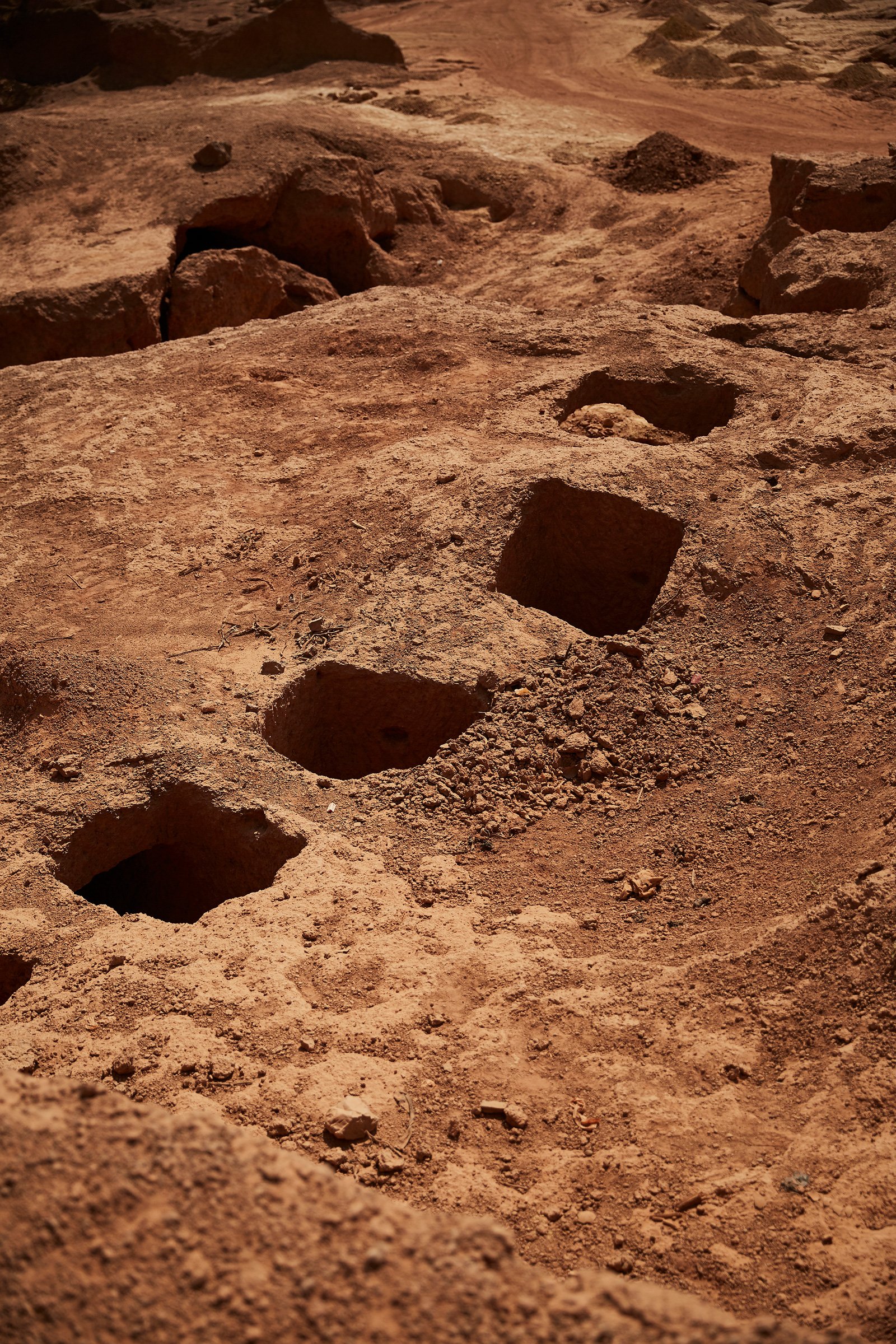
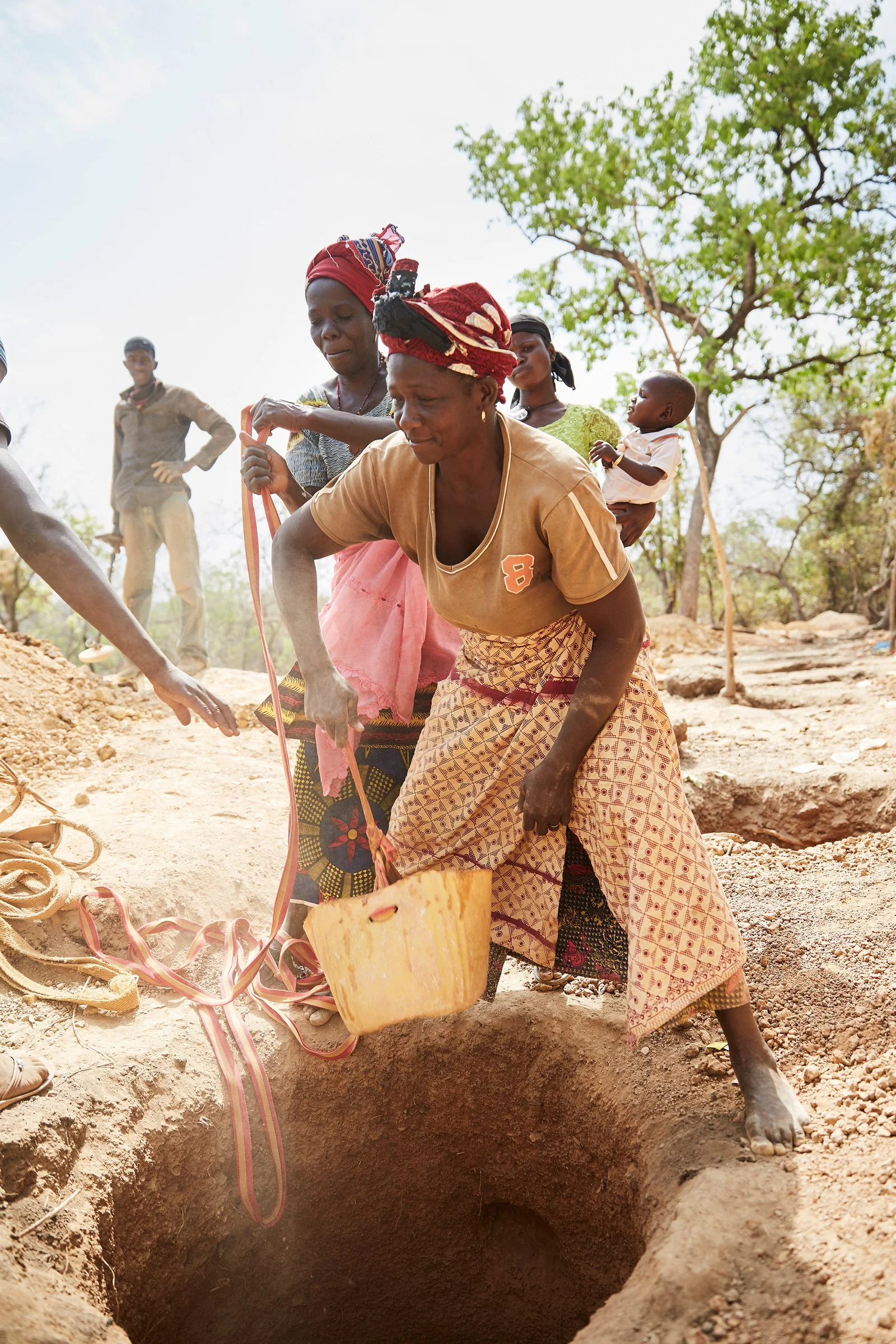
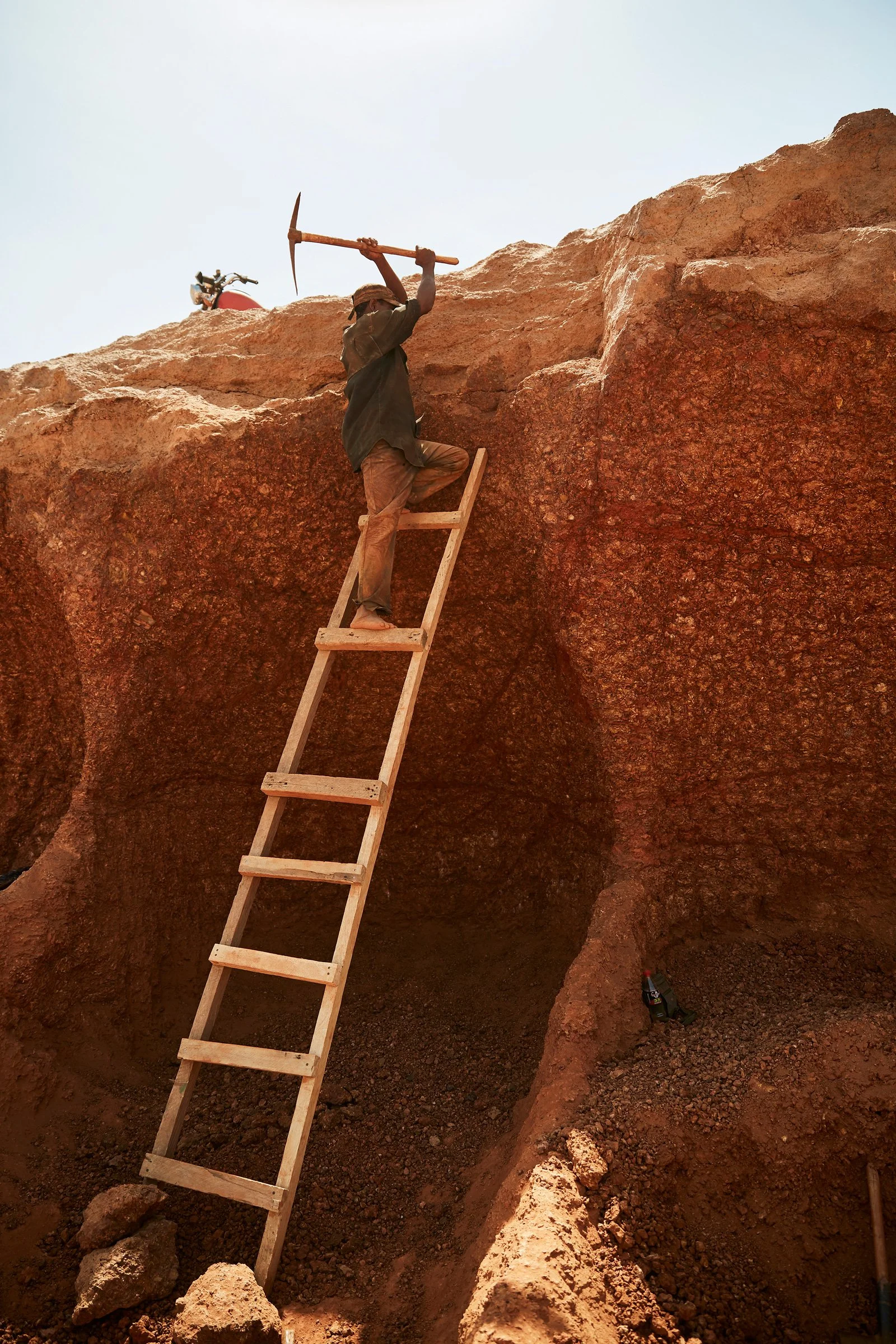
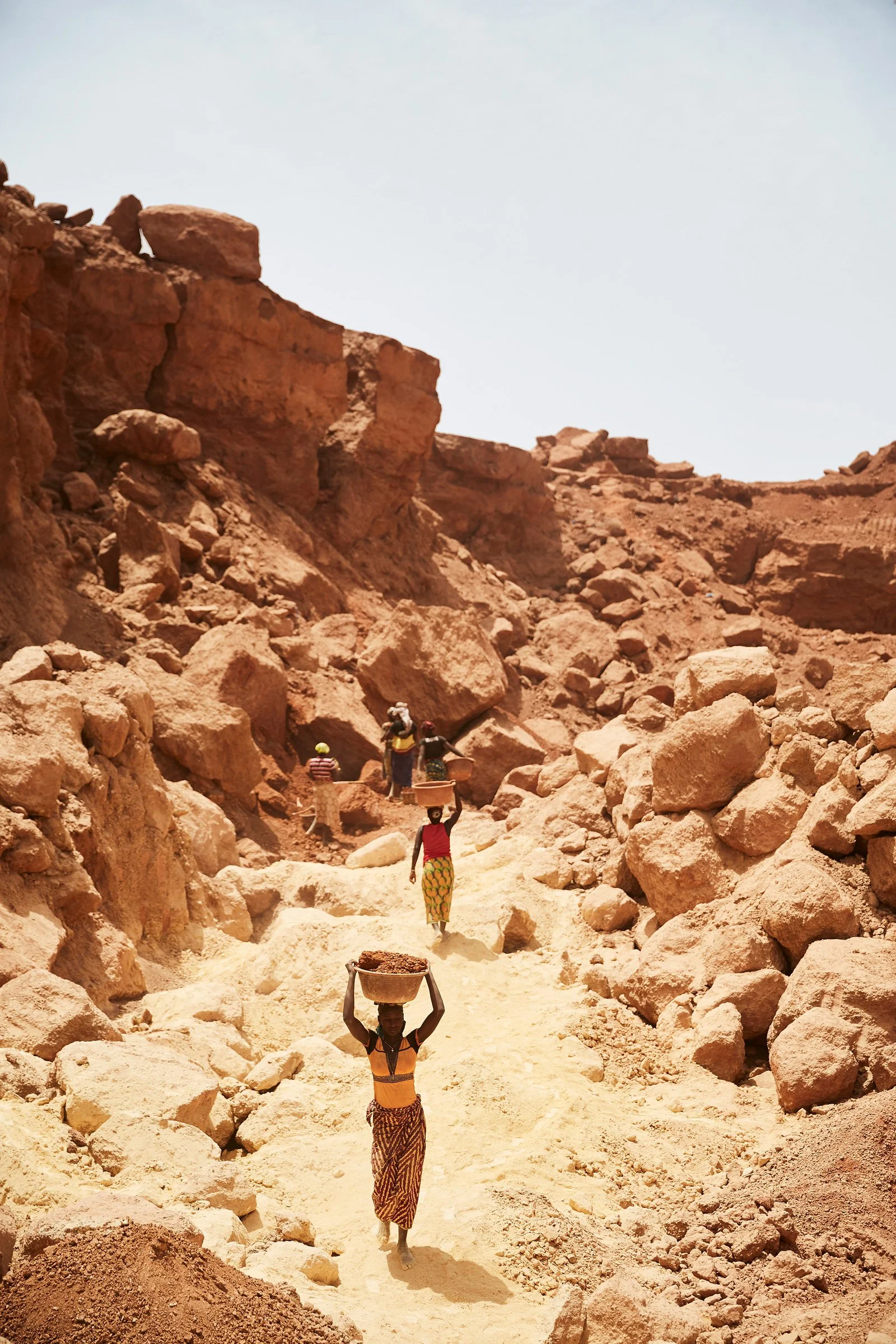
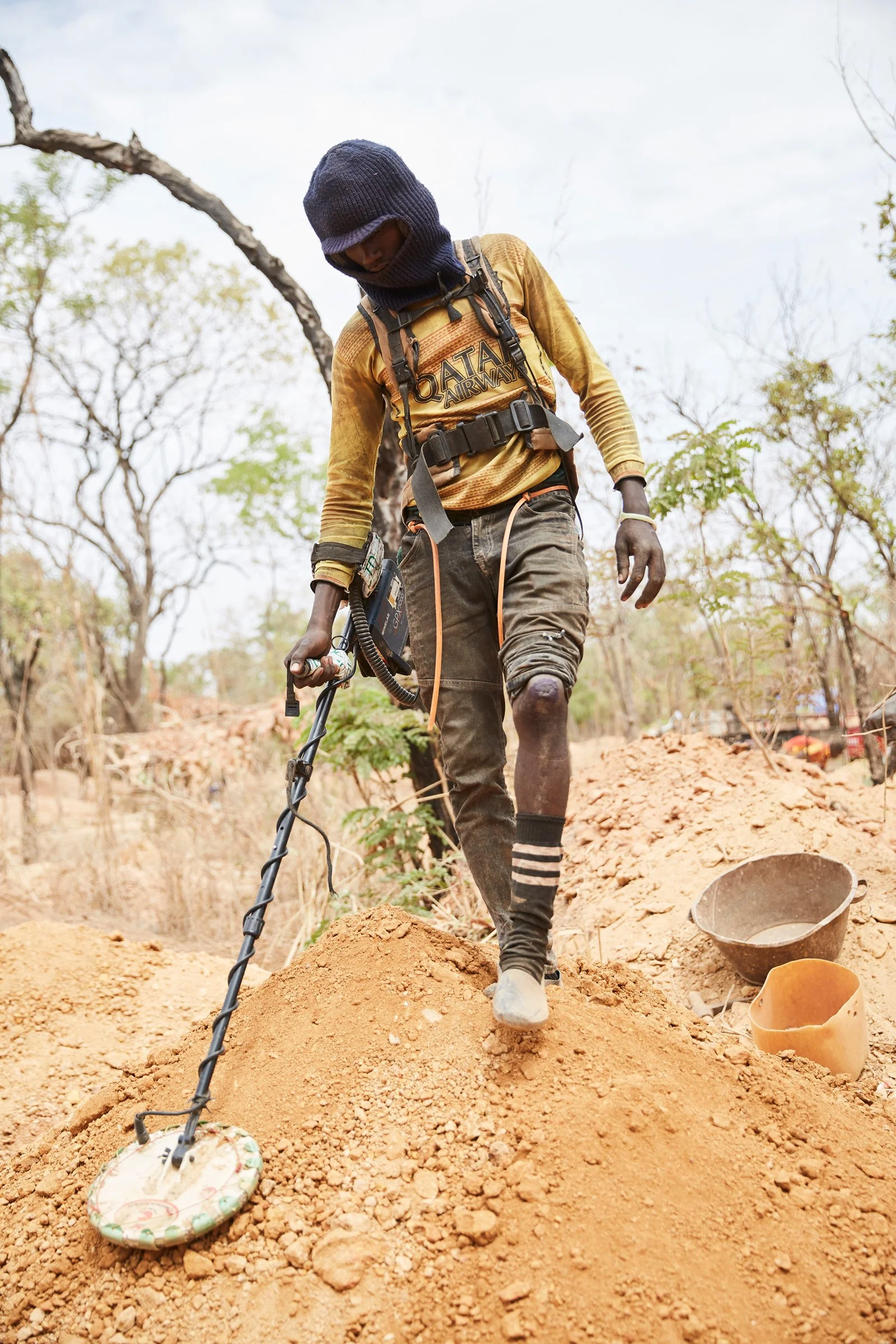
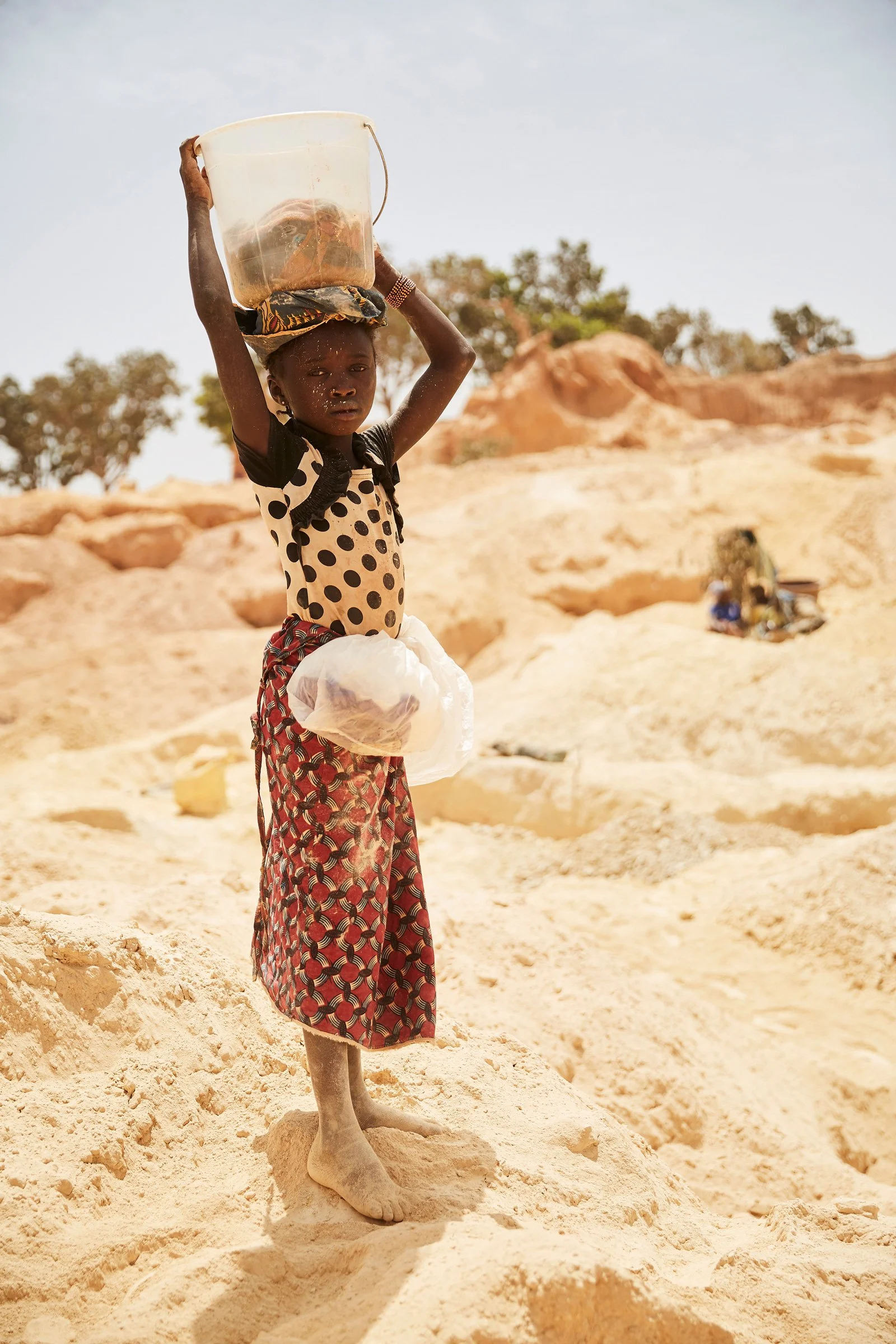
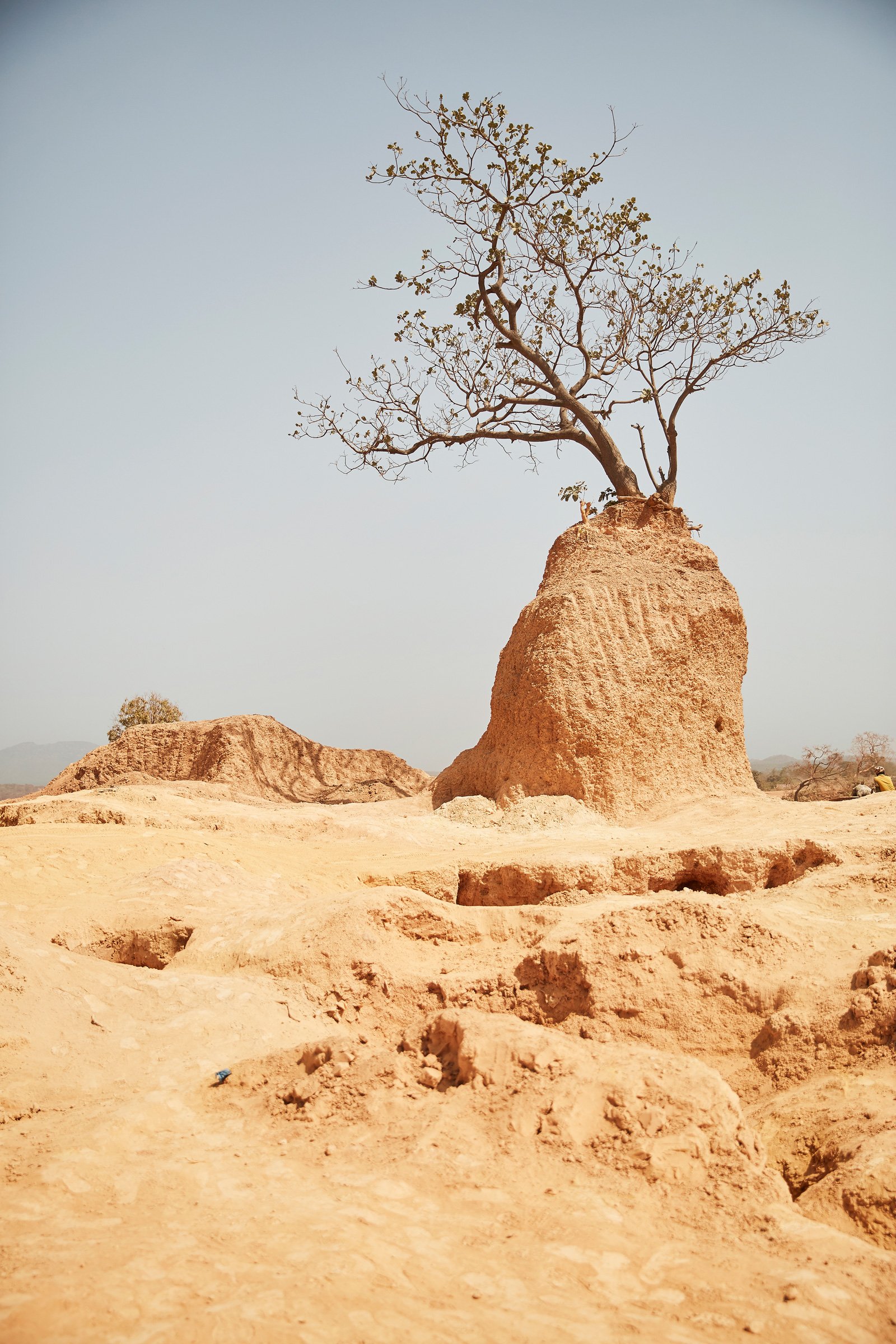
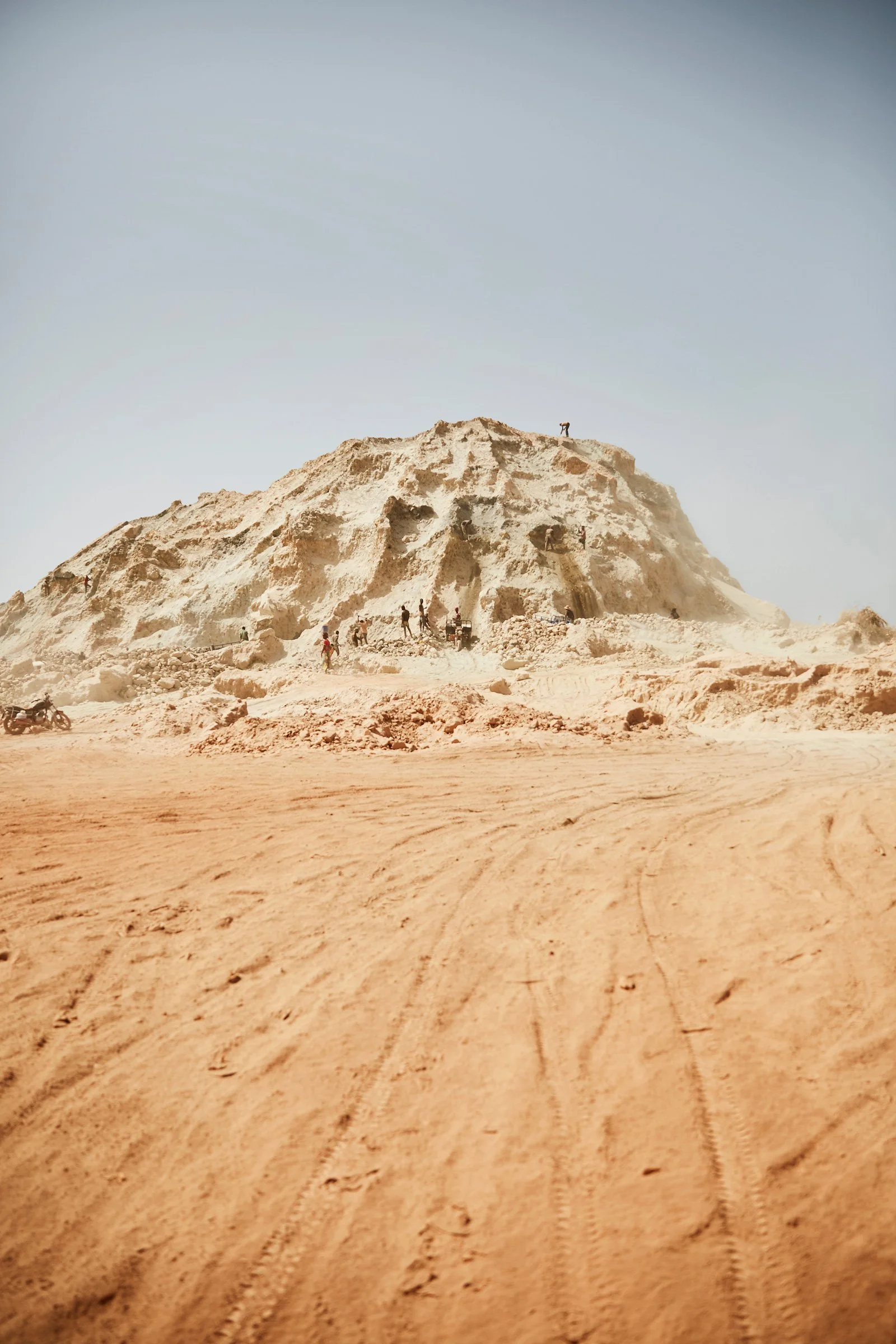
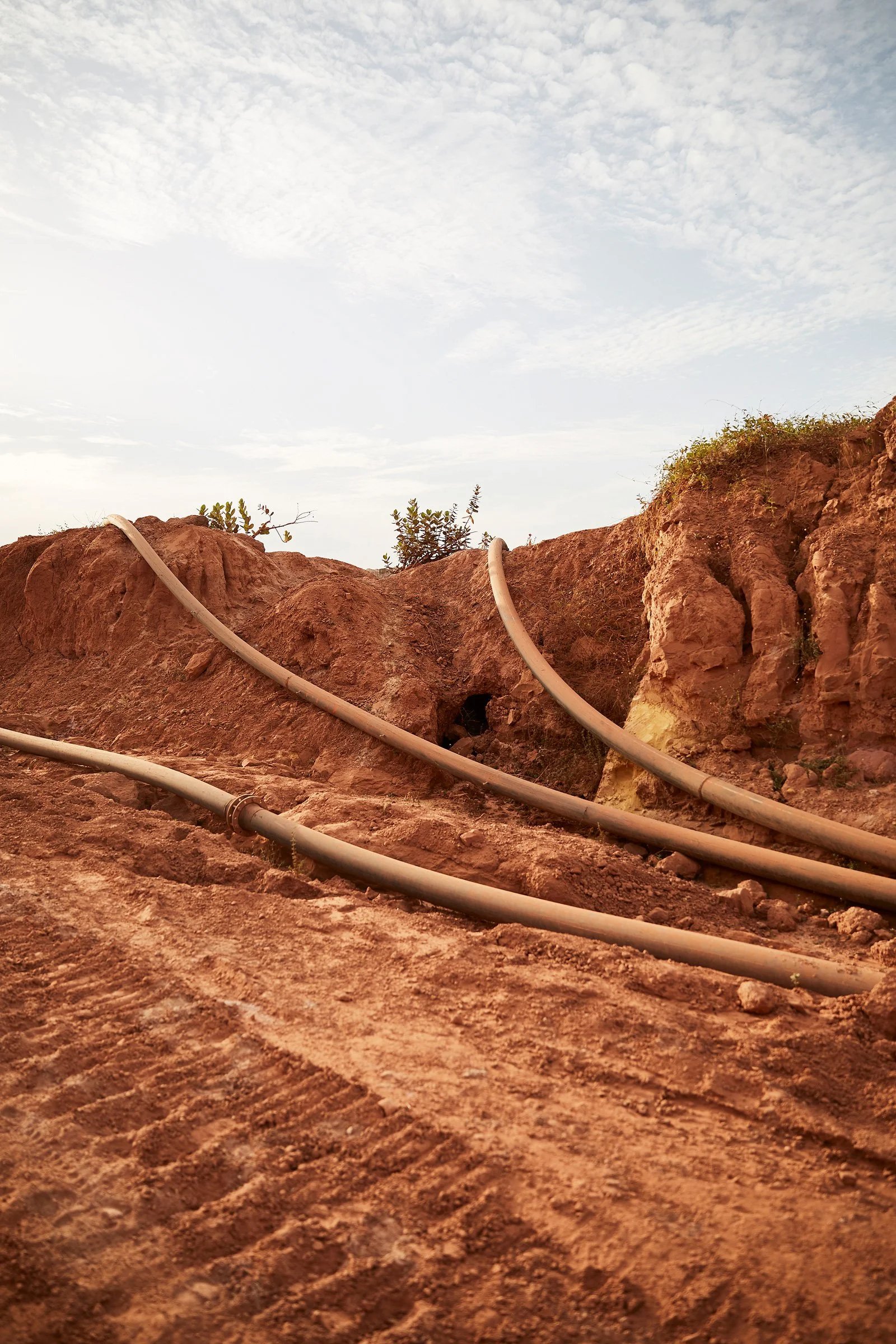
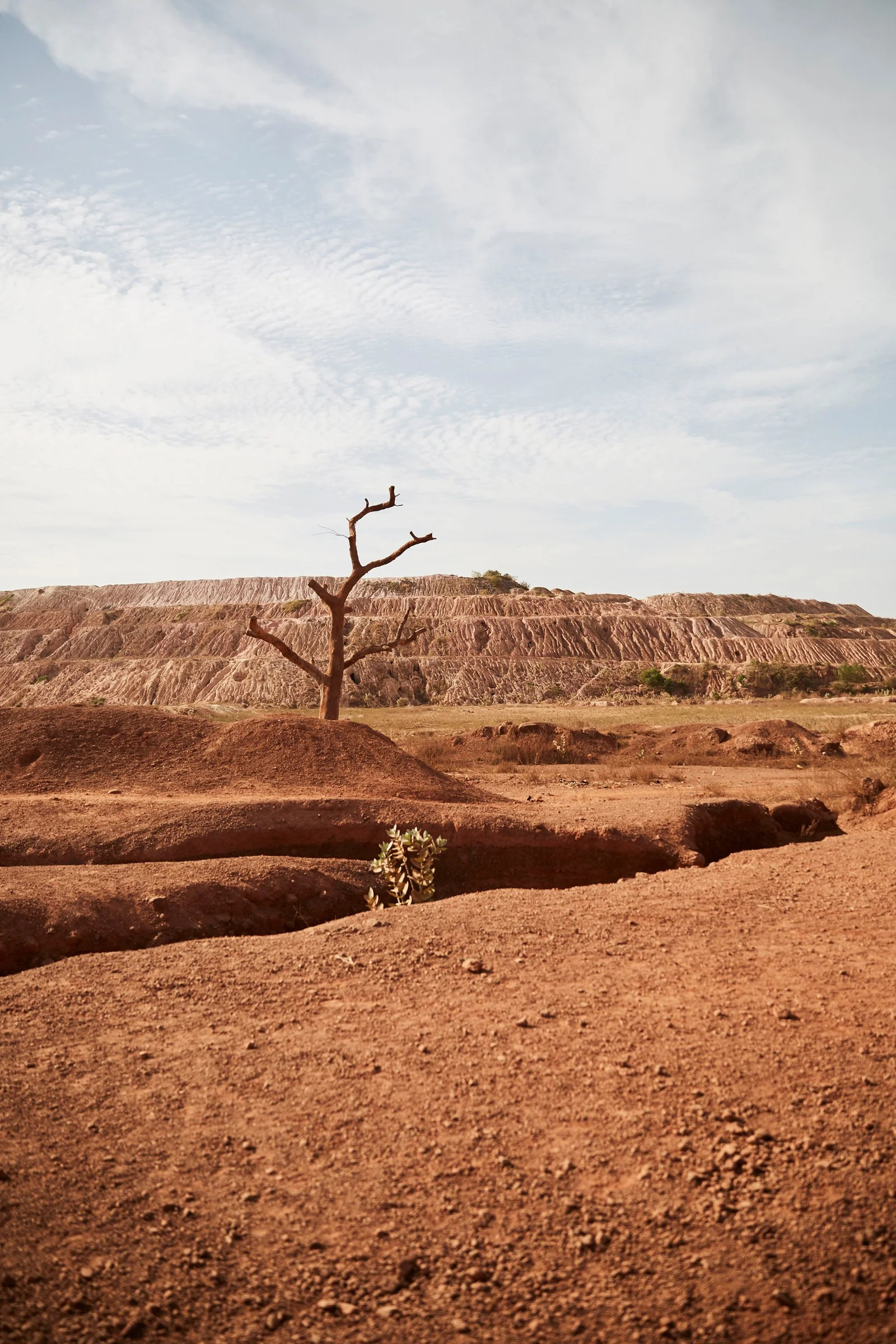
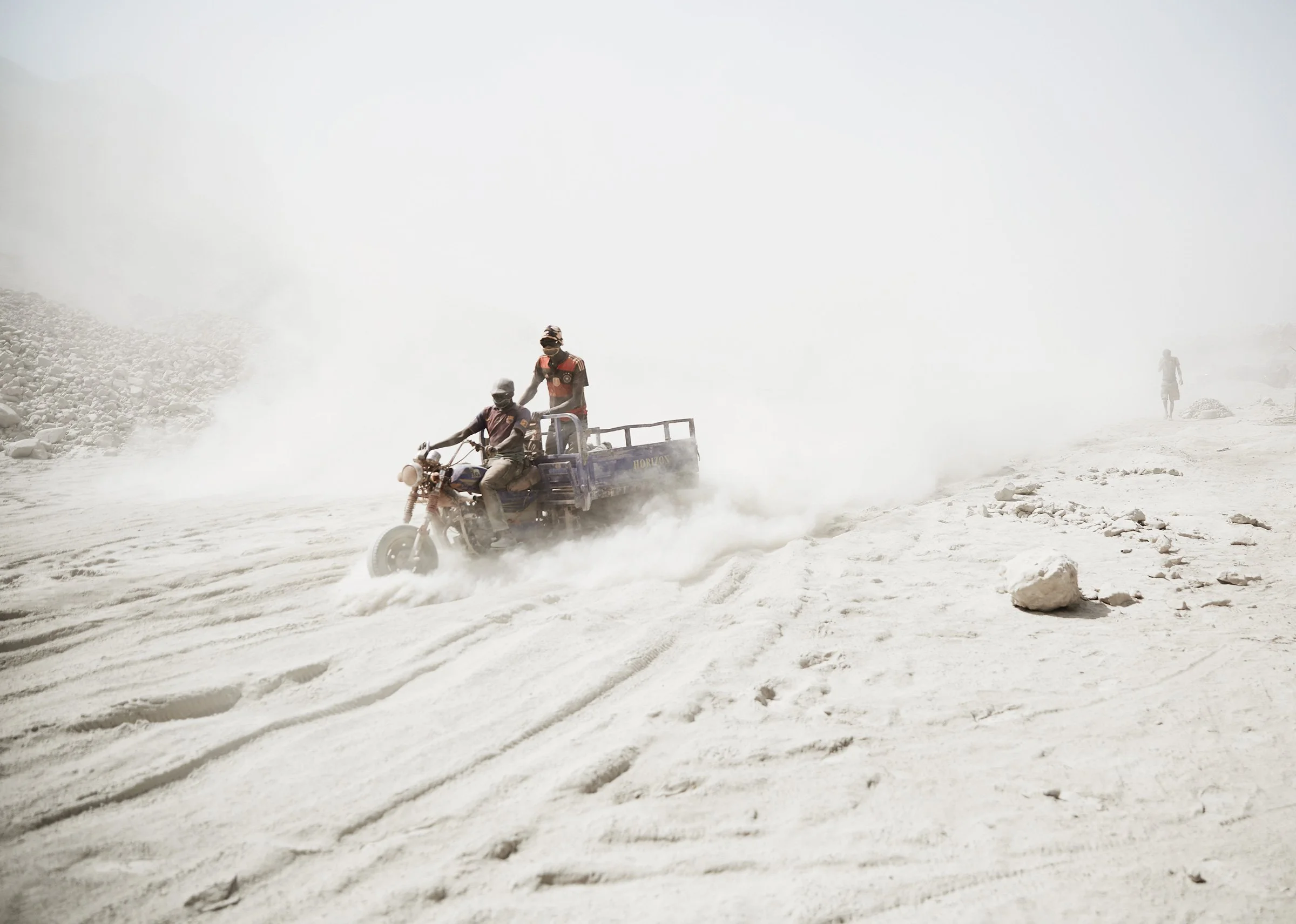
In Bouré, informal gold mining has become the central source of income—a consequence of economic hardship, lack of prospects, and rising global market prices. Where agriculture and seasonal prospecting once balanced each other, today the gold rush dominates the daily life of entire village communities. In makeshift settlements, often only a few kilometers from industrial mining zones, men, women, and young people dig in shafts up to ten meters deep in search of gold dust. The use of mercury in gold extraction is widespread, as is the absence of any protective measures. The risks are high, the yields often uncertain—and yet, for many, it remains the only way to earn an income.
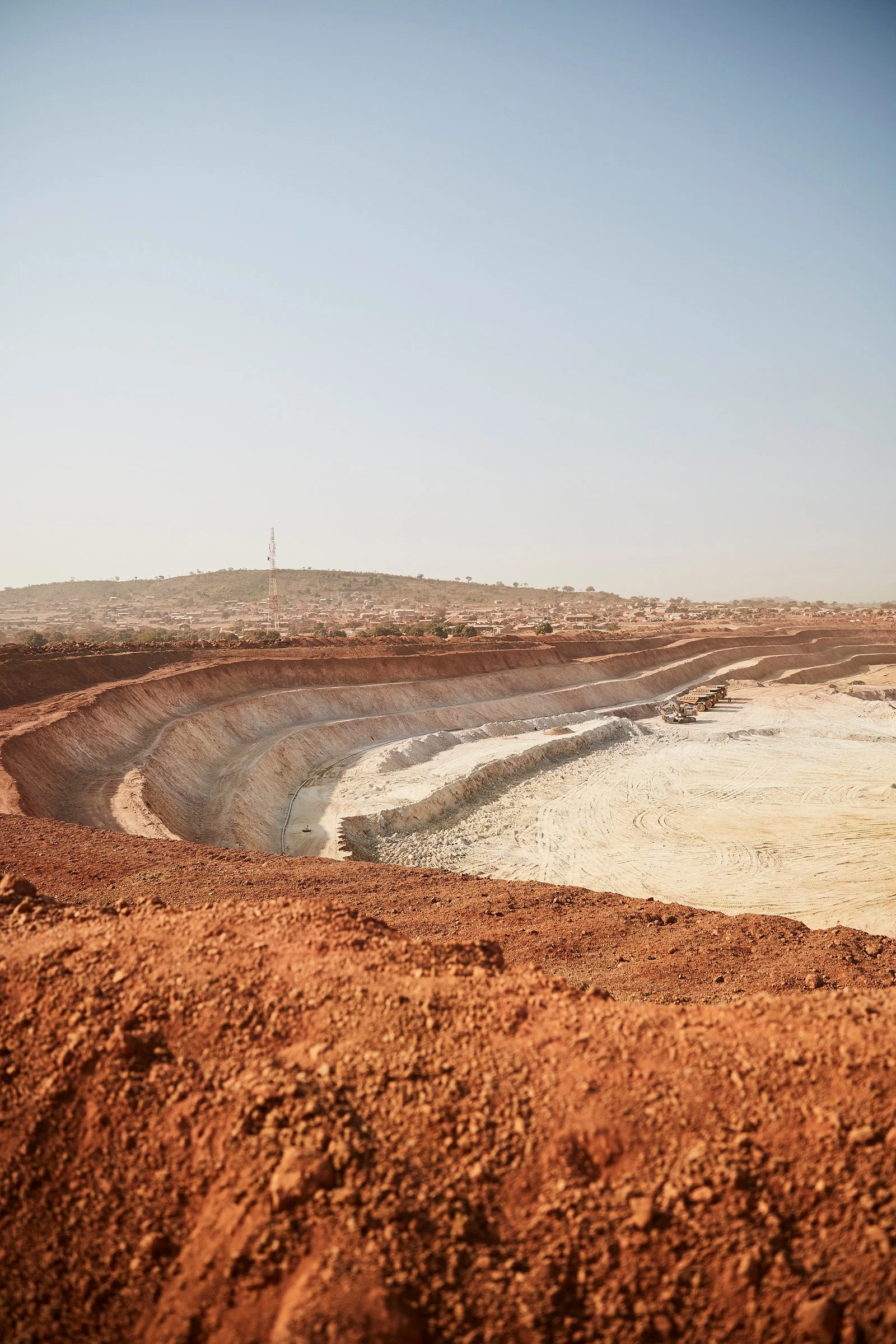
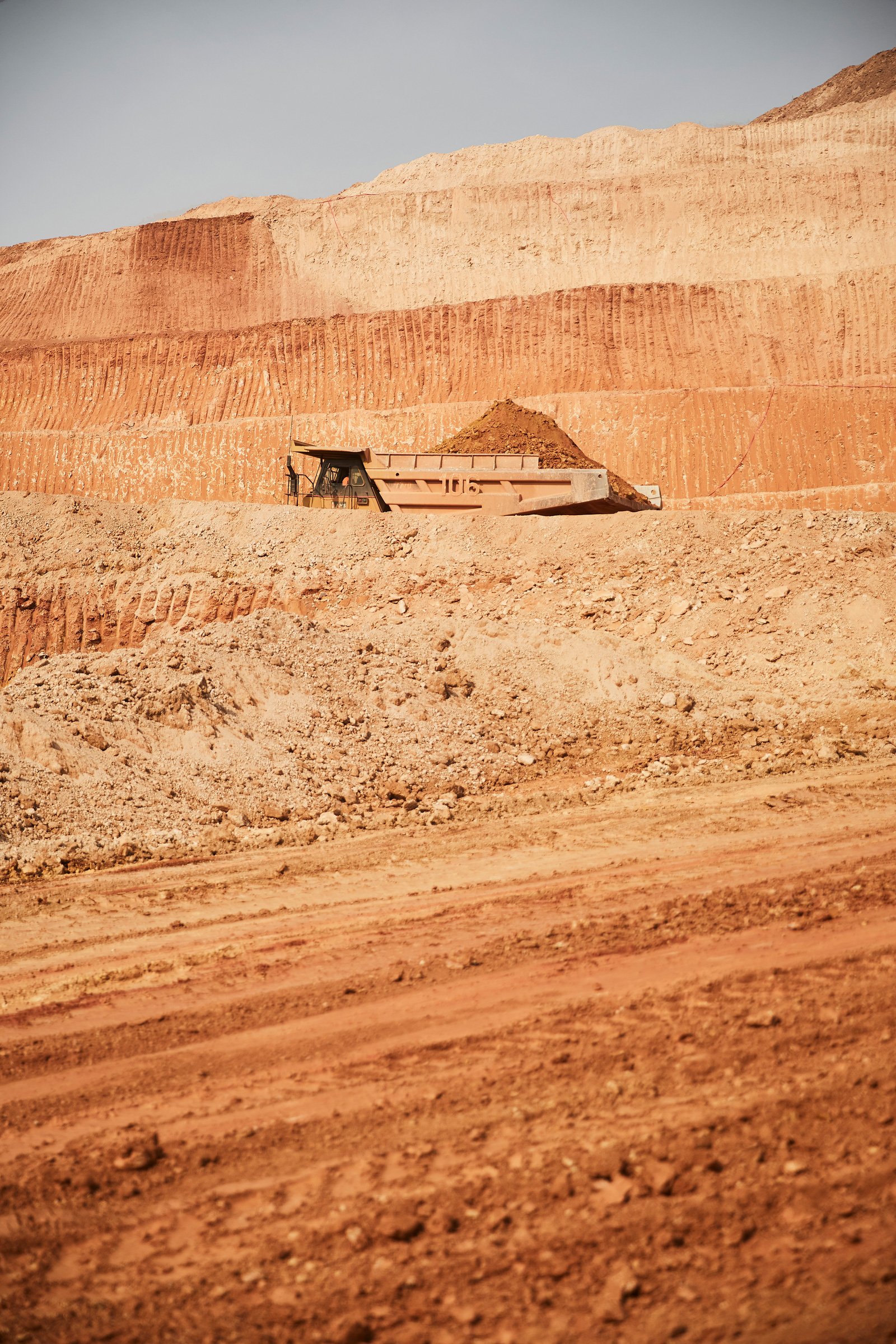
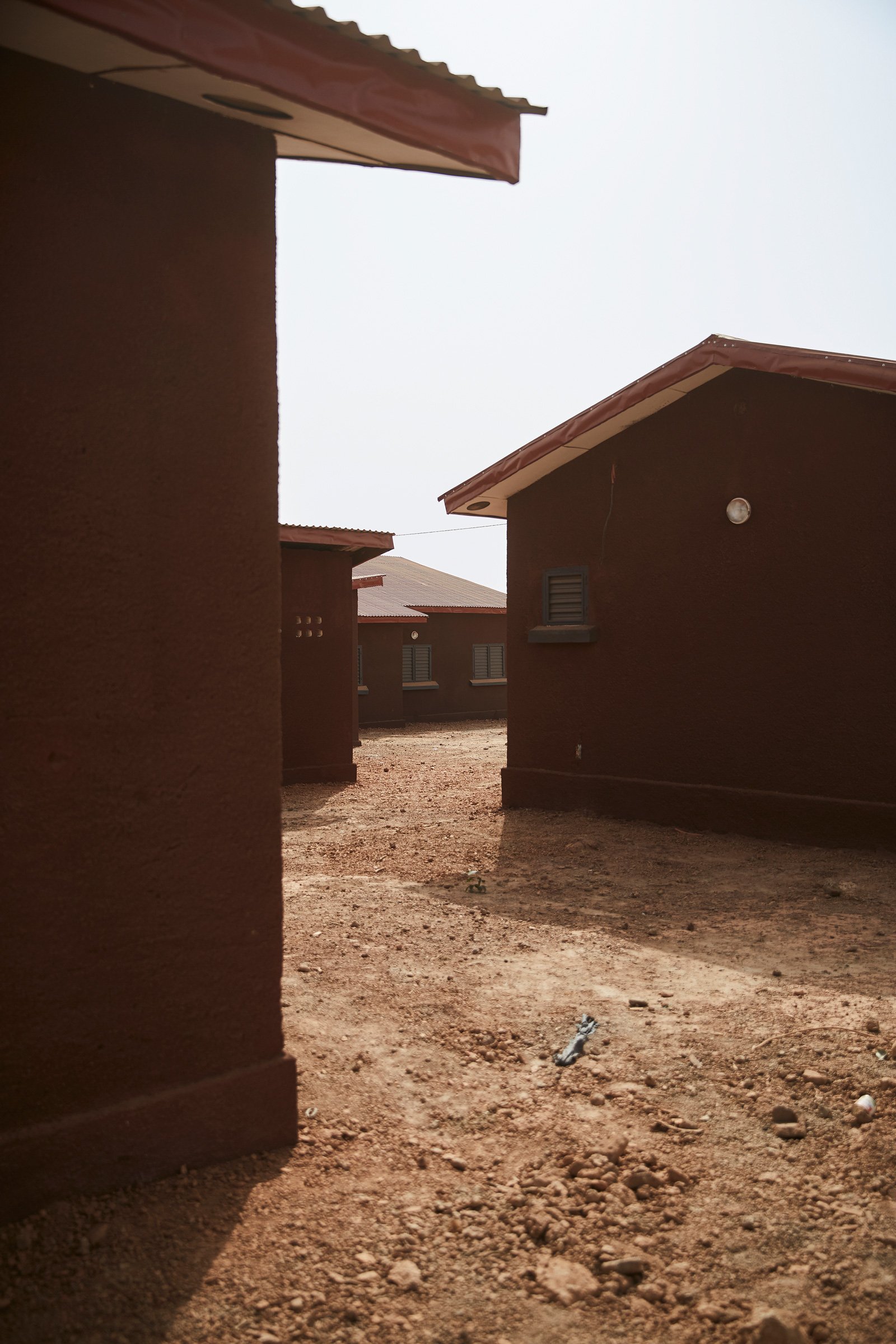
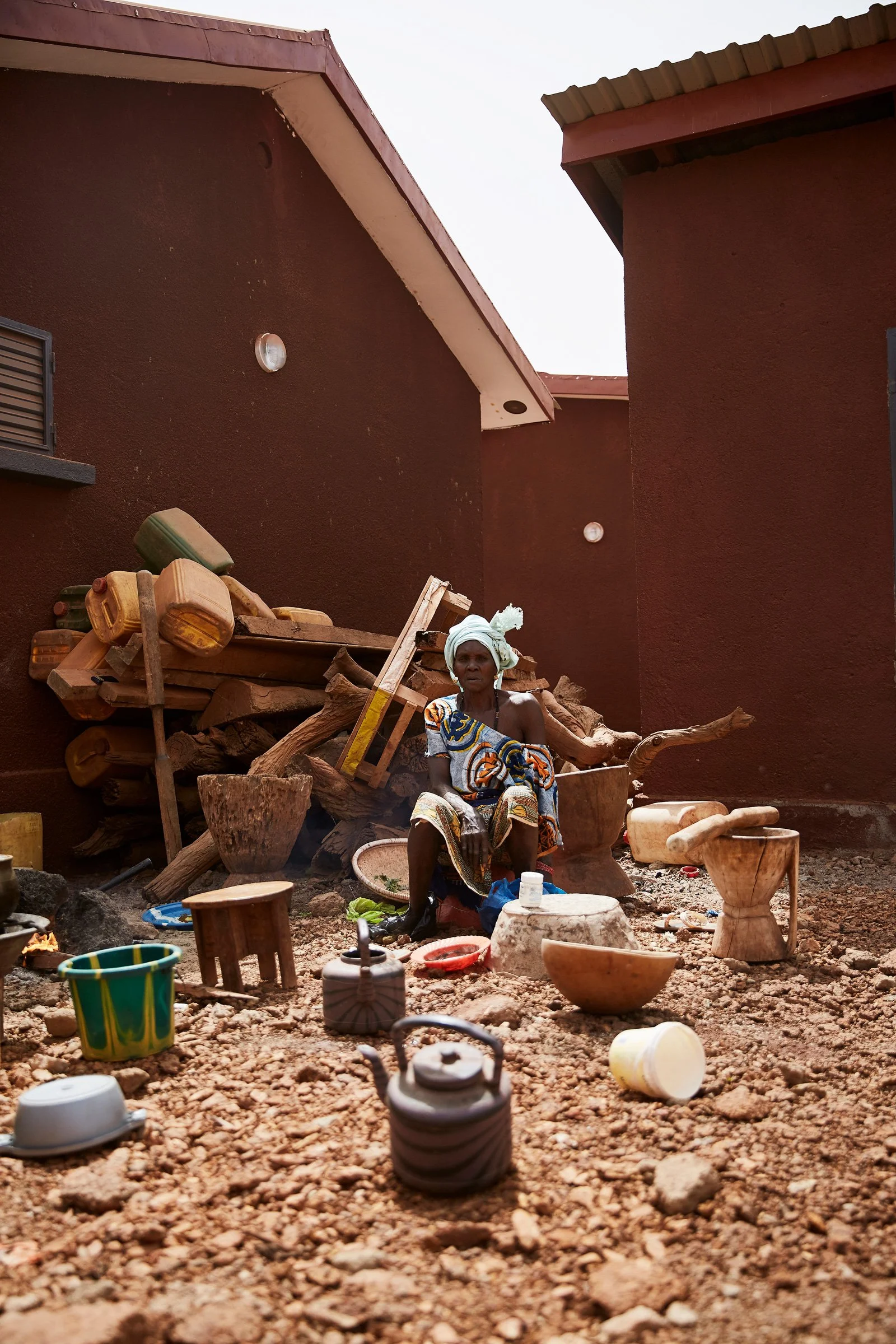
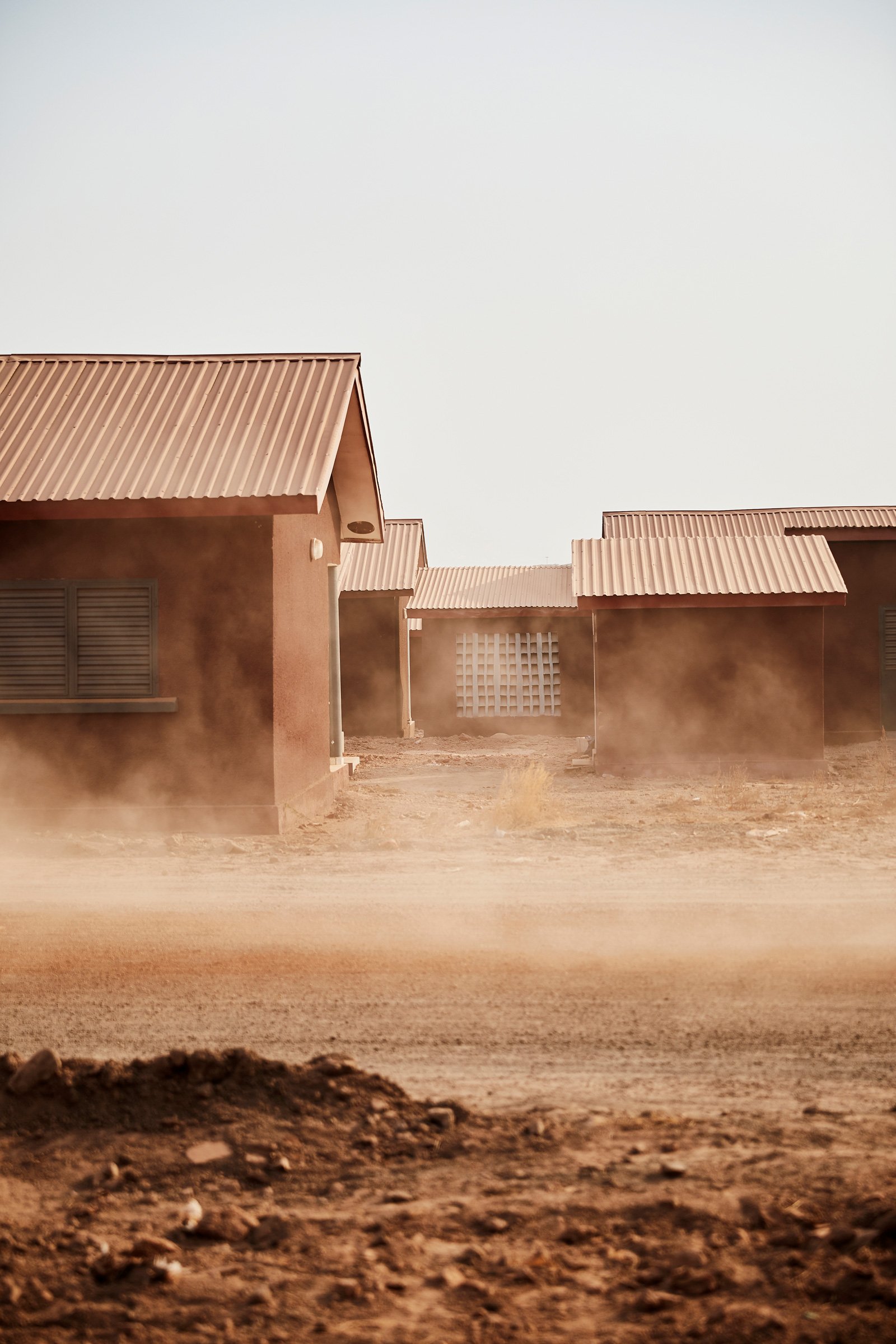
At the same time, the Société AngloGold Ashanti de Guinée (SAG) extracts gold on an industrial scale—with heavy machinery, a state concession, and global capital. In 2015, to expand its open-pit mine, SAG claimed the “Area One” neighborhood in Kintinian II—a long-established district with around 380 houses, several schools, a cemetery, and a football field. Around 1,000 people lost their homes.
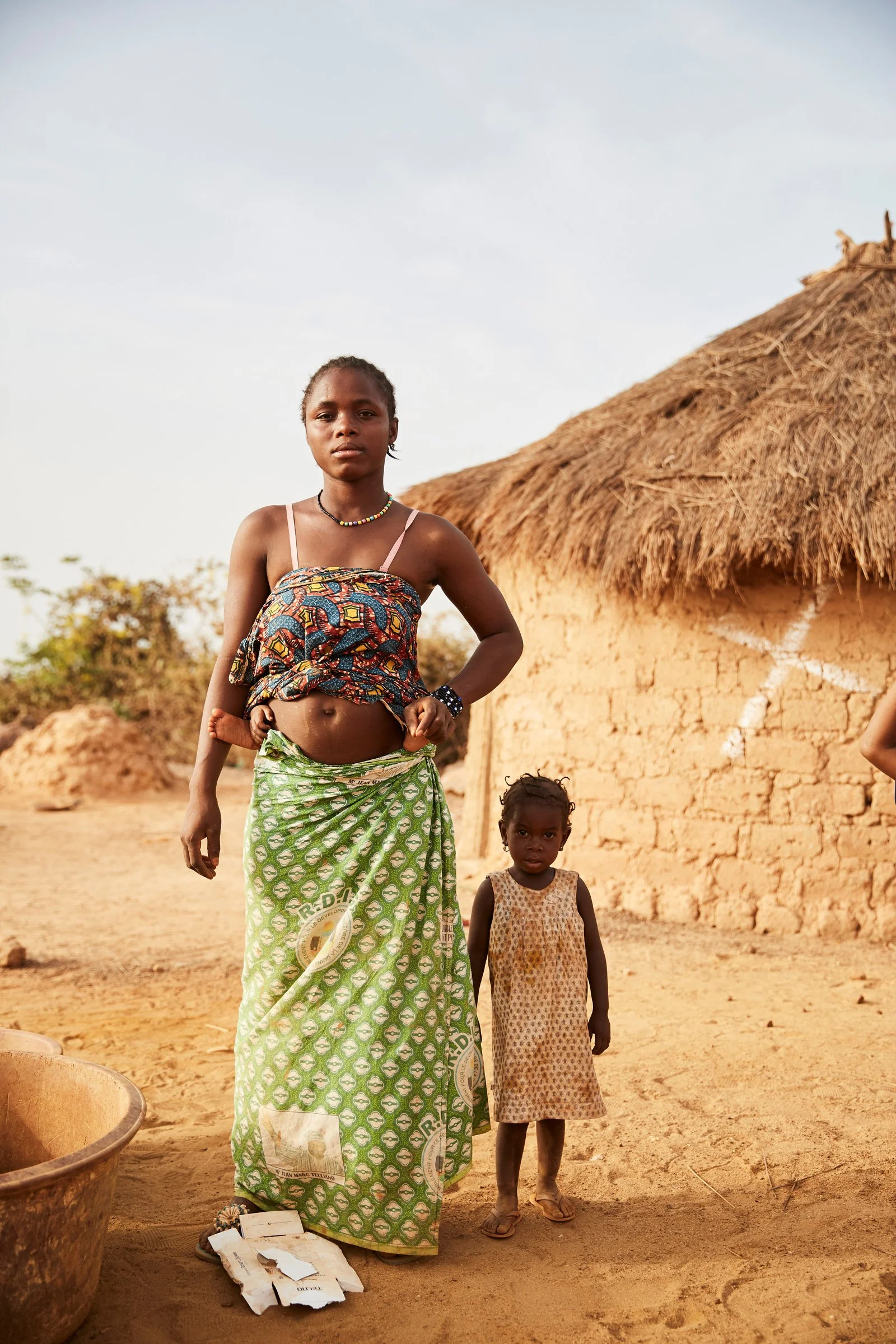
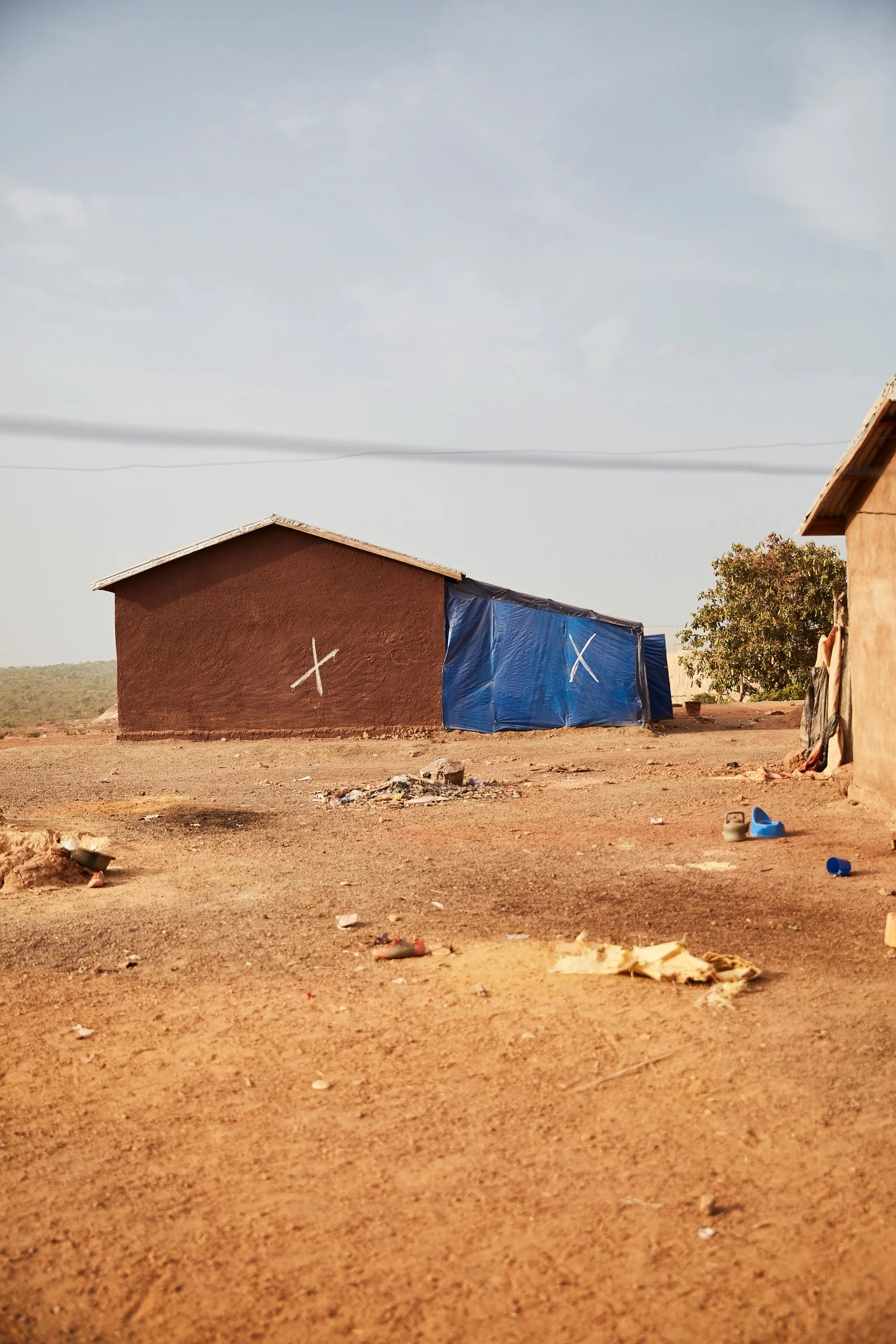
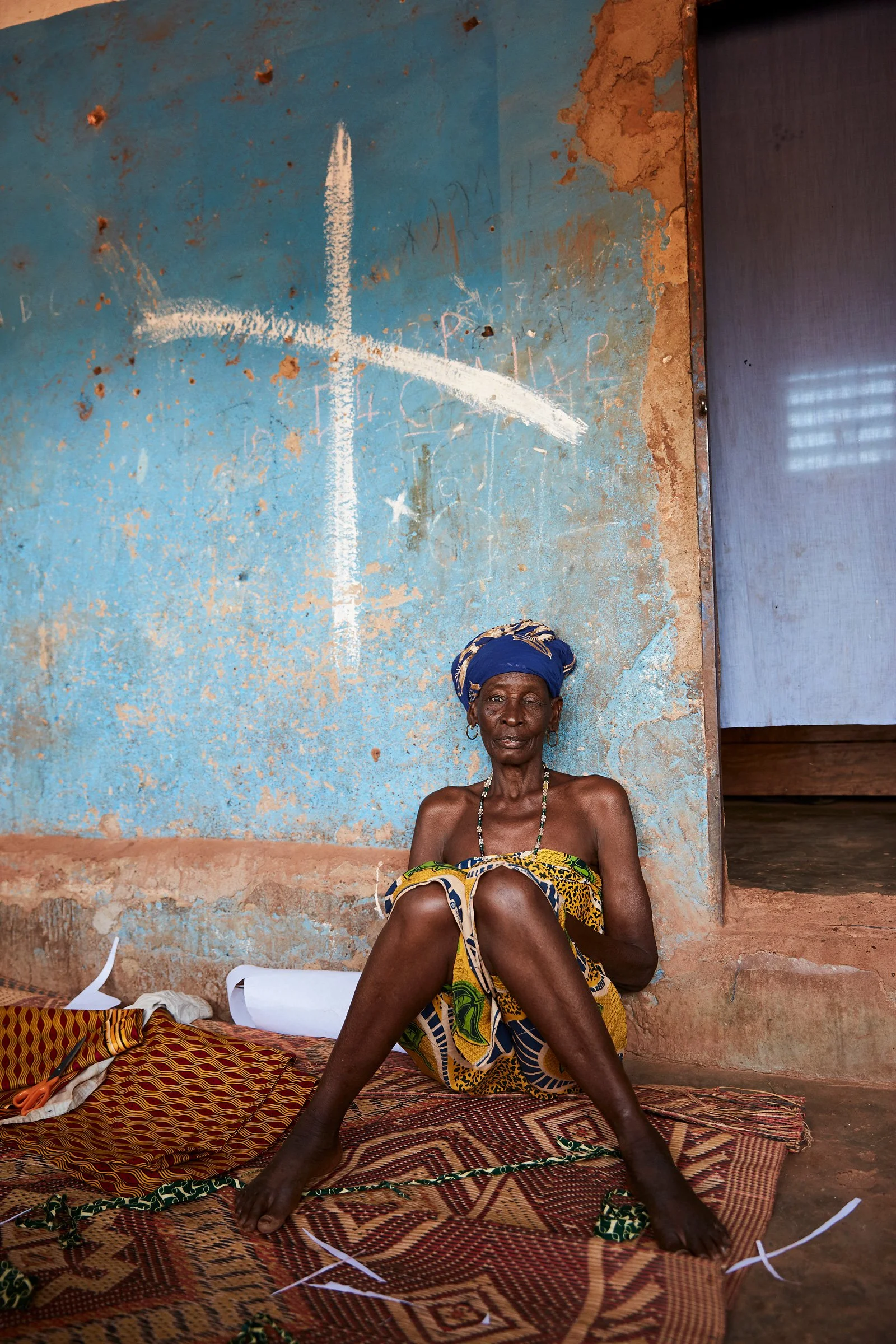
NGO reports document massive irregularities and human rights violations in connection with the resettlement: Residents were often inadequately informed, or only in French, leaving many unable to understand the legal details, or they were pressured into signing. Markings on house walls announced demolitions even before the new housing was ready to be occupied. In the replacement settlements, there was a lack of water, electricity, sanitation facilities, and basic infrastructure. Economic reintegration—such as access to markets or compensation for lost land—was largely absent.